Buying vs. Renting a Home
The decision of where and how to live is arguably one of the most critical financial decisions anyone makes. For decades, homeownership was viewed as the “American Dream,” but in today’s fluid economic landscape, that dream is now a complex spreadsheet. There is no simple, universal answer to the housing question; the optimal path depends entirely on your personal finance profile, career timeline, and local market conditions. This article provides an objective framework to evaluate the true costs, benefits, and trade-offs when considering buying vs. renting a home.
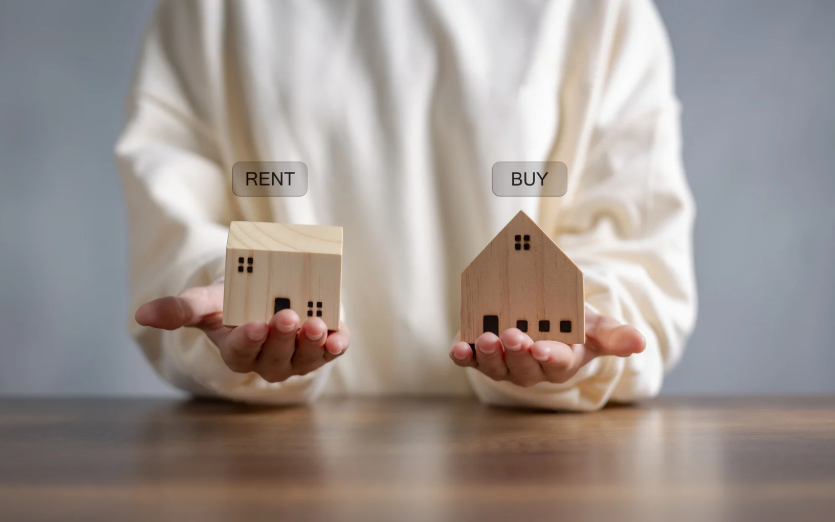
The Case for Buying: Building Equity and Stability
Buying a home turns housing costs into an investment. Each mortgage payment builds equity and long-term value, offering protection from rising rent and inflation. A fixed-rate mortgage keeps payments predictable, making budgeting easier, and homeowners may qualify for tax deductions (consult a CPA).
Beyond finances, homeownership offers lasting benefits:
- Freedom to personalize your space
- Stable payments and predictable costs (with a fixed interest rate)
- Community and belonging
- Appreciation as values rise
- Security without lease renewals
For many, owning a home means stability, control, and a stronger financial foundation.
The Case for Renting: Flexibility and Capital Agility
While buying builds long-term equity, renting offers short-term freedom and flexibility. Renters avoid large upfront costs and can use that money for savings, travel, or other investments. Renting also allows easier relocation for work or lifestyle changes, with fewer repair and maintenance responsibilities.
Key benefits include:
- Lower risk and fewer unexpected costs
- Access to shared amenities
- Less hassle with moving or upkeep
- More freedom to explore new areas
When comparing buying vs. renting a home, renting provides agility and simplicity for those who value mobility and financial flexibility.
Before Making a Decision
Choosing whether to buy or rent is personal, but it should be based on data. Consider three key factors:
- Time Horizon: If you plan to move within five years, renting may be smarter since buying and selling involve high costs.
- Cash Flow: Compare total monthly costs, including mortgage, taxes, insurance, and maintenance, versus rent and renter’s insurance.
- Market Conditions: Study local trends to see whether prices or rents are rising faster.
Understanding your timeline, budget, and market helps you make a confident, well-informed choice.
Choosing the Right Path Forward
Ultimately, the right choice between buying vs. renting a home depends on your financial position, long-term plans, and personal values. Homeownership may be ideal for those seeking stability and equity growth, while renting suits those who value freedom and lower commitment.
Settle Savvy – Get Data on the Best Locations to Live
Settle Savvy uses data analytics to help buyers quickly visualize the best neighborhoods to move to. Find the safest neighborhoods with the best schools, within your price range. Instead of relying on guesswork or emotional decisions, you can see a clear map that highlights the best areas to househunt. When you’re ready to start your journey, we have a nationwide network of real estate agents that can help you find your dream home in the perfect neighborhood.
One Comment